
Puppy Training in State College, PA
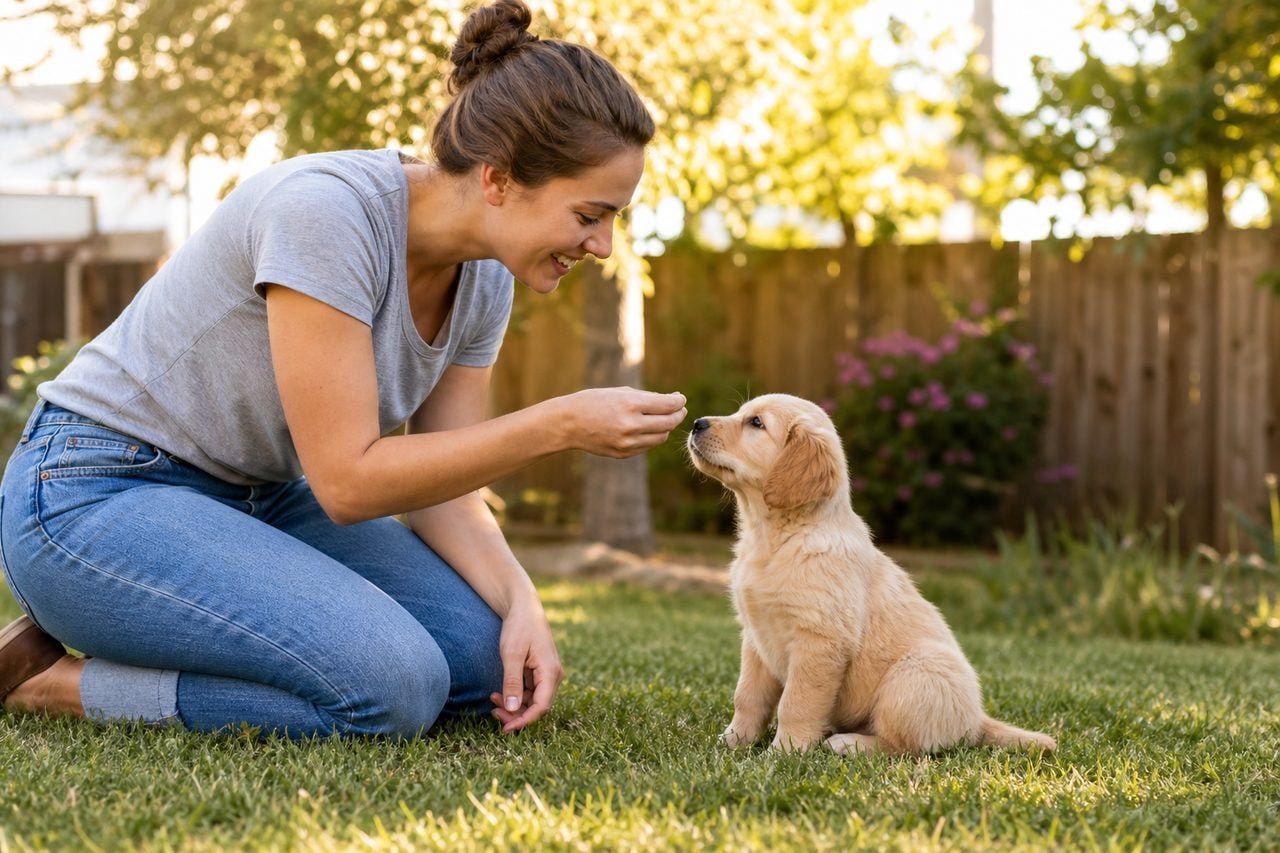
Bringing a puppy home in State College means starting training against the unmistakable rhythm of Happy Valley. In a town where Penn State’s University Park campus draws roughly 40,000 students and a steady churn of faculty families, the pet population turns over constantly — graduate students adopt, football-weekend visitors bring dogs to tailgates near Beaver Stadium, and young professionals in the borough juggle apartment living with a new eight-week-old. That transient, high-energy backdrop shapes how puppy training should begin here: early, structured, and built to handle the crowds, the noise, and the long central-Pennsylvania winters that can stall outdoor practice for weeks at a stretch beneath the Nittany Valley snow.
- Why Early Puppy Training Matters In Happy Valley
- House-Training Through A Central Pennsylvania Winter
- Socializing A Puppy Around Crowds And Game Days
- Choosing A Local Puppy Class Or Trainer
- Foundation Skills Every State College Puppy Needs
- Managing Winter And Indoor Training Sessions
- Setting Realistic Expectations For The First Year
- Reviewed trainers
- FAQ
Geography matters too. A puppy raised in a downtown State College apartment near College Avenue faces different daily challenges than one growing up on a Penns Valley farm outside Centre Hall, or in a quiet Bellefonte neighborhood along Spring Creek. Elevator floors, tailgate foot traffic, livestock, and snow-packed sidewalks each demand their own foundation work, and even the trailheads below Mount Nittany in Lemont ask something different of a young dog than a Ferguson Township cul-de-sac does. The good news is that the core of puppy training — house-training, name response, gentle handling, and calm exposure to the world — stays the same wherever you live in Centre County. What changes is where and how you rehearse it, and how you time that rehearsal around the weather and the academic calendar.
This guide walks through building that foundation for a State College puppy: what to prioritize in the critical first weeks, how to house-train through a Nittany Valley winter, how to socialize a young dog around game-day crowds, and how to prepare it for the busy, seasonal, dog-friendly community that is Happy Valley. It also covers how to choose a local class or trainer, which foundation skills matter most, and how to keep momentum going indoors when snow shuts down outdoor practice. Use it to set expectations, plan a realistic routine, and know what to look for when you enroll in a class or bring in a trainer.
Why Early Puppy Training Matters In Happy Valley
The first months of a puppy’s life are a narrow window that shapes lifelong behavior, and in a place as busy as State College, that window is worth guarding closely. A puppy that learns to stay calm around crowds, traffic, and novelty early tends to grow into a dog that handles the region’s realities — game-day foot traffic, farmers-market bustle in the borough, and trailheads packed on the first warm weekend after a long winter.
Early training pays off across the county’s different settings:
- Downtown & campus living: apartment puppies benefit from early crate comfort and quiet-in-a-shared-building routines before neighbors and thin walls become a problem.
- Suburban townships: families in College, Ferguson, or Patton townships can use fenced yards to build recall foundations, but still need structured leash work for busier streets.
- Rural valleys: puppies in Penns or Brush Valley meet livestock, farm equipment, and wide-open space early, so a solid recall becomes a genuine safety tool.
Starting young does not mean drilling a puppy for hours. It means short, positive, frequent sessions woven into daily life — a few minutes of name games before breakfast, a calm greeting at the door, a treat for settling on a mat. Consistency, not intensity, is what builds a well-adjusted Happy Valley dog.
House-Training Through A Central Pennsylvania Winter
House-training is the first real test for most State College puppy owners, and the region’s cold, snowy winters make it harder than in milder climates. A puppy that would happily potty outside in September may balk at a yard buried under Nittany Valley snow, and downtown owners face the added hurdle of stairs, elevators, and long walks to a patch of grass in single-digit temperatures.
A few local-minded strategies help:
- Pick a sheltered spot: shovel and maintain one small consistent potty area so your puppy always has bare ground, even after a storm.
- Keep trips short and frequent: young puppies cannot hold it long, and cold discourages lingering — get out, reward fast, come back in.
- Protect tiny puppies briefly: a short warm layer for very small or thin-coated breeds can keep winter trips productive rather than panicked.
- Reward immediately outdoors: praise and treat the moment they finish, before returning inside, so the reward links to the right place.
Apartment dwellers near campus sometimes use an indoor backup during the coldest snaps, but the goal remains a clear, consistent outdoor routine. Expect house-training to take weeks, not days, and expect winter to slow the timeline — patience through the first Happy Valley winter pays off with a reliably trained dog by spring.
Socializing A Puppy Around Crowds And Game Days
Few American towns swing between quiet and crowded as dramatically as State College. On an ordinary Tuesday the borough is calm; on a home football Saturday, tens of thousands pour toward Beaver Stadium and the streets fill with noise, tailgates, and unfamiliar dogs. A puppy raised here needs deliberate, positive exposure to that spectrum so the big days feel manageable rather than overwhelming.
Build tolerance gradually:
- Start on the edges: introduce mild crowds — a quiet corner of a park, a sidewalk with light foot traffic — before anything resembling a game-day scene.
- Pair novelty with good things: treats and calm praise when a skateboard, marching-band drum, or stranger appears teach the puppy that busy equals rewarding.
- Watch the vaccine timeline: talk with your veterinarian about where it’s safe to socialize before a puppy is fully vaccinated, favoring controlled settings over dog-dense areas.
- Keep sessions short: a stressed puppy learns fear, not confidence — leave while things are still going well.
Owners who plan to bring dogs to tailgates or downtown events should treat those as advanced goals, not starting points. A puppy that has practiced calm behavior in progressively busier settings across the fall will be far readier for its first real Happy Valley crowd.
Choosing A Local Puppy Class Or Trainer
Group puppy classes are one of the best investments a State College owner can make, combining structured teaching with the controlled socialization that campus-town life demands. When evaluating options across Centre County, focus on approach and fit rather than marketing.
Look for:
- Reward-based methods: modern, positive-reinforcement training suits puppies best and avoids the fallout of harsh corrections during a sensitive developmental stage.
- Small, age-matched groups: puppy classes work best when playmates are close in size and stage, keeping interactions safe and confidence-building.
- Clean, controlled facilities: ask how they handle vaccination requirements and hygiene, especially for young puppies.
- Convenient location: a class in the borough, Bellefonte, or a nearby township you can reach reliably through winter weather matters more than a slightly better program an hour away.
Because the student population turns over, class schedules in State College often flex around the academic calendar, and board-and-train demand can spike around football weekends and holidays. Book early if you need a specific window. A good trainer will happily explain their methods, let you observe a session, and set realistic expectations — be cautious of anyone promising guaranteed results or fast fixes for a young puppy.
Foundation Skills Every State College Puppy Needs
Before advanced tricks or off-leash freedom, every puppy needs a short list of foundation skills that make daily life in Centre County safer and calmer. These basics are the building blocks that later training rests on, and they translate across every setting from a downtown apartment to a Penns Valley farmhouse.
Prioritize these first:
- Name response: a puppy that reliably looks at you when called has the attention needed for everything else.
- Sit and settle: a calm default position is invaluable at vet visits, coffee shops, and crowded sidewalks.
- Loose-leash walking: essential for icy winter sidewalks and busy game-day streets where a lunging puppy is a real hazard.
- Recall: critical for rural owners near open land and state forest, and a lifesaver anywhere a puppy slips a door.
- Handling tolerance: gentle practice with paws, ears, and mouth makes grooming and winter paw-cleaning far easier.
Work these in tiny daily doses rather than long sessions. A puppy’s attention span is short, and central-Pennsylvania winters mean much of this practice happens indoors — hallway recall games, mat settling by the couch, and gentle handling on your lap all count. Steady repetition of these fundamentals produces a dog ready for the region’s more demanding environments.
Managing Winter And Indoor Training Sessions
For a good chunk of the year, State College weather pushes puppy training indoors. Snow, ice, and cold snaps that linger over the Nittany Valley limit outdoor practice, so owners who plan for indoor work keep momentum through the season instead of losing ground until spring.
Indoor training can be surprisingly productive:
- Use hallways for recall: a straight indoor stretch is perfect for short, high-reward come games between family members.
- Build a settle routine: teach the puppy to relax on a mat while you work or watch TV — a genuinely useful skill for long winters indoors.
- Add enrichment: food puzzles, snuffle mats, and short training games burn the mental energy a snowbound puppy can’t spend outside.
- Practice handling and grooming: winter is the ideal time to build tolerance for paw-wiping, coat brushing, and nail handling.
Downtown and campus-area owners in small apartments especially benefit from this indoor focus, since a bored, under-exercised puppy in a confined space quickly becomes a destructive one. When conditions do allow outdoor time — a plowed park path, a clear afternoon — take advantage, but treat indoor sessions as the reliable backbone of winter training rather than a poor substitute.
Setting Realistic Expectations For The First Year
A puppy’s first year is a marathon, and setting honest expectations spares State College owners a lot of frustration. Progress rarely runs in a straight line: a puppy that seemed house-trained in October may regress during a cold December, and an adolescent dog around six to twelve months often tests boundaries just when owners expect smooth sailing.
Keep the long view in mind:
- House-training takes weeks to months: accidents through the first winter are normal, not failure.
- Adolescence is bumpy: expect a testing phase and stay consistent rather than escalating corrections.
- Socialization is ongoing: exposure doesn’t end after puppyhood — keep introducing new sights and sounds through the first year.
- Match goals to your setting: an apartment puppy and a farm puppy will hit milestones on different timelines and priorities.
The college-town environment adds its own wrinkle: schedules shift with the semester, and owners who are students may face exam-week crunches or summer moves that disrupt routine. Building flexibility into your plan — and leaning on a local class or trainer during busy stretches — helps keep training on track. By the end of the first year, steady effort through Happy Valley’s seasons produces a confident, well-mannered dog ready for everything the region offers.
Reviewed Puppy Training Trainers in State College
These reviewed State College-area trainers from our directory handle puppy training. Each links to a full profile with specialties, certified credentials, reviews, and contact info:
- Digman Canine Academy — 5.0★ (93 reviews)
- Good Foundations Canine Training — 5.0★ (17 reviews)
- Aldy & LuLu’s Dog Gone Issues — 5.0★ (3 reviews)
- Manners N’ More Dog Traning — 4.2★ (9 reviews)
- Pet Lover’s Passion
See all State College puppy training trainers →
Frequently Asked Questions
When should I start training my puppy in State College?
Start the day your puppy comes home, usually around eight weeks. Early weeks are a critical window for learning and gentle socialization. Begin with short, positive sessions for name response, house-training, and calm handling, then add group classes once your veterinarian confirms it’s safe given your puppy’s vaccination stage.
How do I house-train a puppy during a snowy Centre County winter?
Maintain one shoveled, sheltered potty spot so your puppy always has bare ground, keep trips short and frequent since cold discourages lingering, and reward immediately outdoors the moment they finish. Expect winter to slow the timeline, and consider a brief warm layer for very small or thin-coated puppies.
Can I bring my puppy to tailgates or downtown events?
Treat crowded game-day scenes as an advanced goal, not a starting point. Build up gradually through the fall with progressively busier but controlled settings, pairing novelty with treats and praise. A puppy that has practiced calm behavior in lighter crowds will be far readier for its first real Happy Valley crowd.
How do I choose a puppy class in the State College area?
Look for reward-based methods, small age-matched groups, clean facilities with clear vaccination requirements, and a location you can reach reliably through winter weather. Ask to observe a session, and be cautious of anyone promising guaranteed results or fast fixes for a young puppy.
What should I do for training when it’s too cold to go outside?
Move sessions indoors. Use hallways for recall games, teach a settle-on-a-mat routine, add food puzzles and snuffle mats for mental exercise, and practice grooming and paw handling. Indoor work keeps a snowbound puppy’s body and mind engaged and prevents the boredom that leads to destructive behavior.
How long does it take to fully train a puppy?
Basic house-training and manners take weeks to months, but full maturity is a first-year journey with predictable bumps, especially during adolescence around six to twelve months. Progress isn’t linear, so stay consistent, keep socializing, and adjust expectations to your living situation and the season.
Related: read our complete puppy training guide or the full State College dog training overview.
Ready to find the right puppy training pro in State College?